Understanding Your Condition Is the First Step Towards Managing It.
The same pain can have different causes, and the same diagnosis may need different rehabilitation strategies. We assess first, then build your plan.
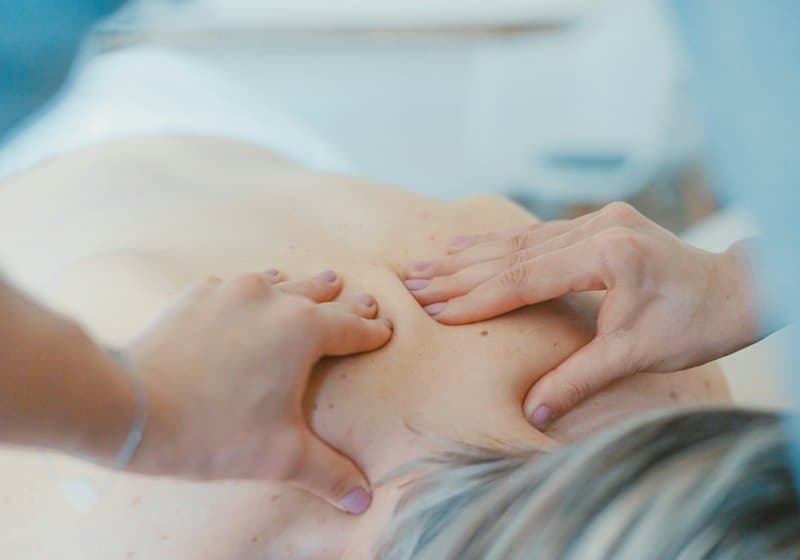
Low Back Pain
Low back pain can develop for many reasons, including muscular problems, joint dysfunction, disc-related conditions, reduced strength, movement dysfunction or physical overload. Treatment depends on the underlying cause and may focus on reducing symptoms, restoring mobility, improving strength and returning to normal activities.
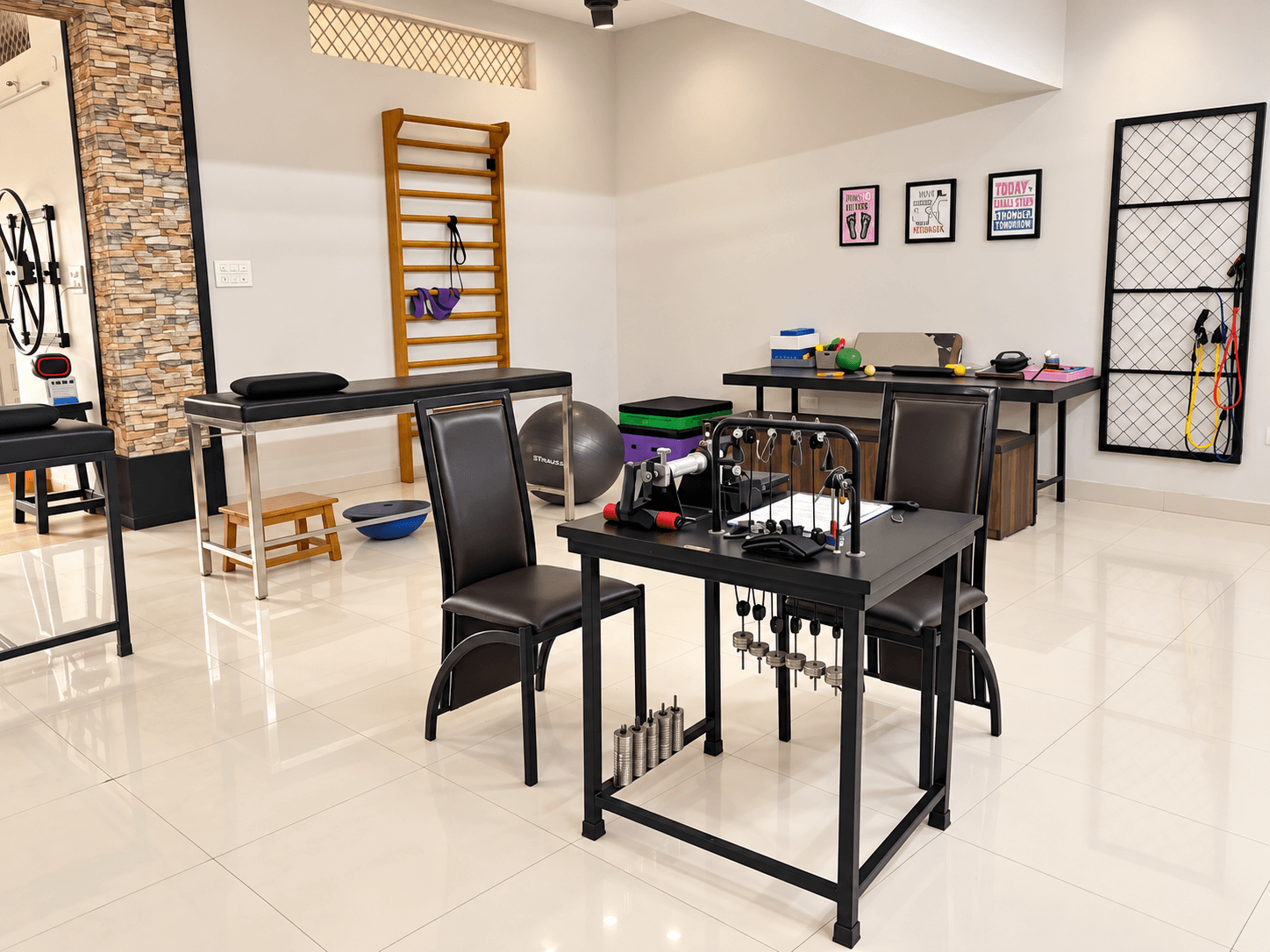
Slip Disc & Disc Bulge
A disc bulge or herniated disc can sometimes irritate or compress nearby nerves. This may cause back pain, leg pain, tingling, numbness or weakness. Our approach begins with assessment and then develops an individualized rehabilitation plan based on your presentation.
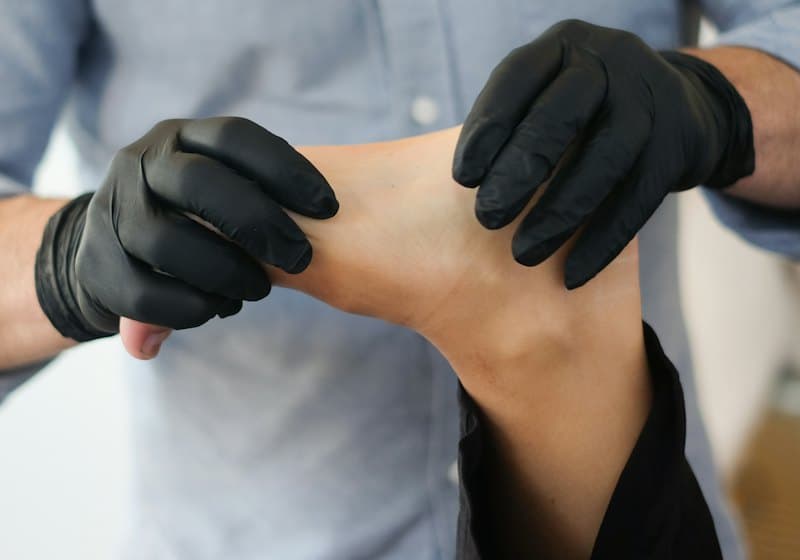
Sciatica
Sciatica describes symptoms associated with irritation or compression involving the sciatic nerve or its contributing nerve roots. Symptoms may travel from the lower back or buttock into the leg and may include pain, tingling, numbness or weakness. Understanding the underlying cause is important for selecting an appropriate treatment strategy.
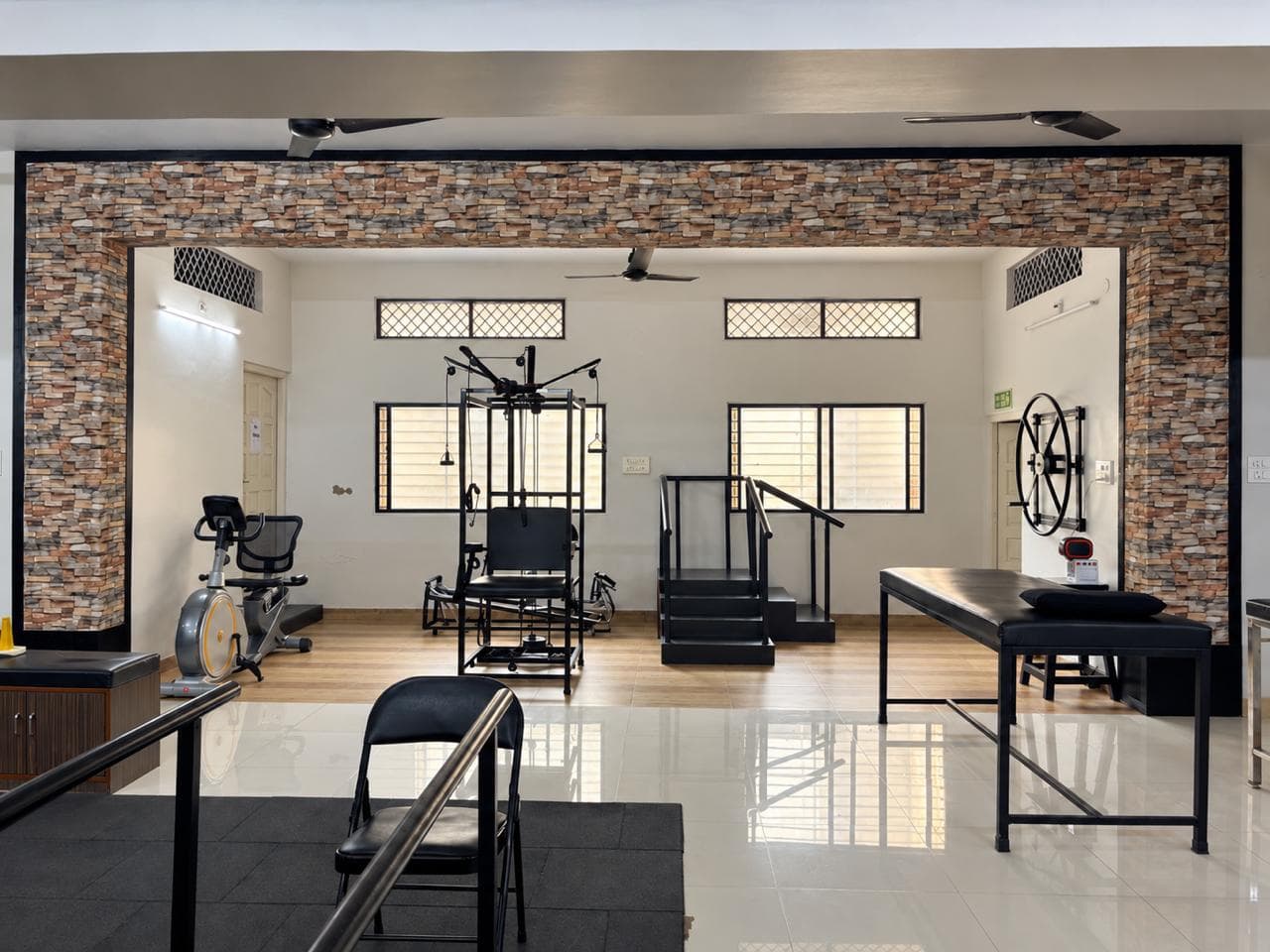
Neck Pain & Cervical Problems
Neck pain can be associated with prolonged sitting, screen use, muscle tension, joint problems, degenerative changes and other conditions. Physiotherapy may focus on mobility, strengthening, posture, ergonomics and movement rehabilitation.
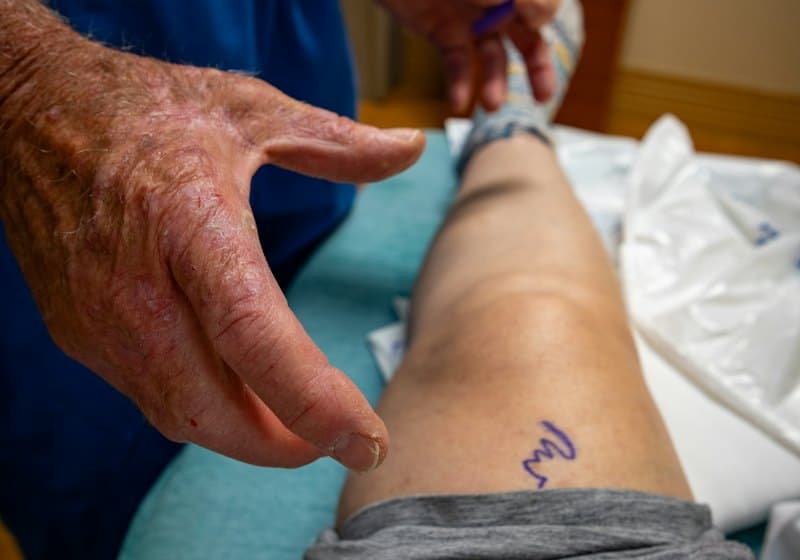
Knee Pain
Knee pain may be associated with injury, arthritis, muscle weakness, overuse, movement dysfunction or post-surgical recovery. Rehabilitation may progress through pain management, mobility, strength, movement control and function.
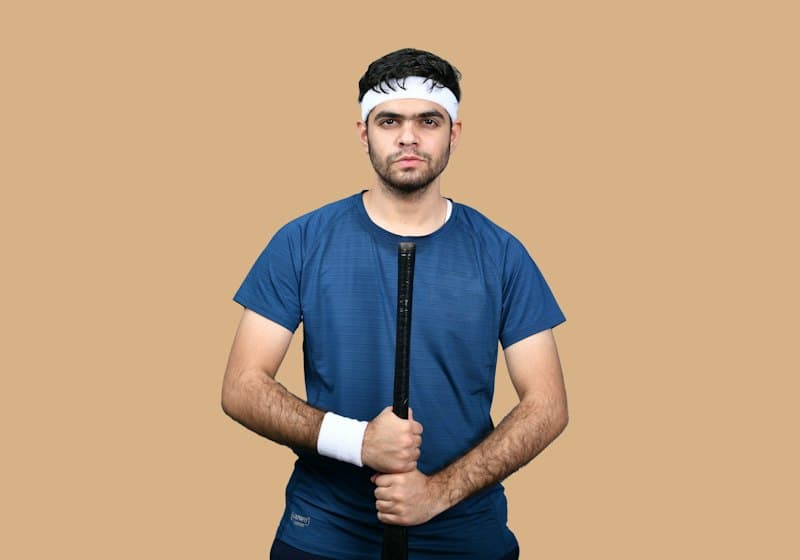
Sports Injuries
Returning to sport requires more than simply waiting for pain to disappear. Our rehabilitation may progress from pain management to mobility, strength, movement control, sport-specific training and return to sport.
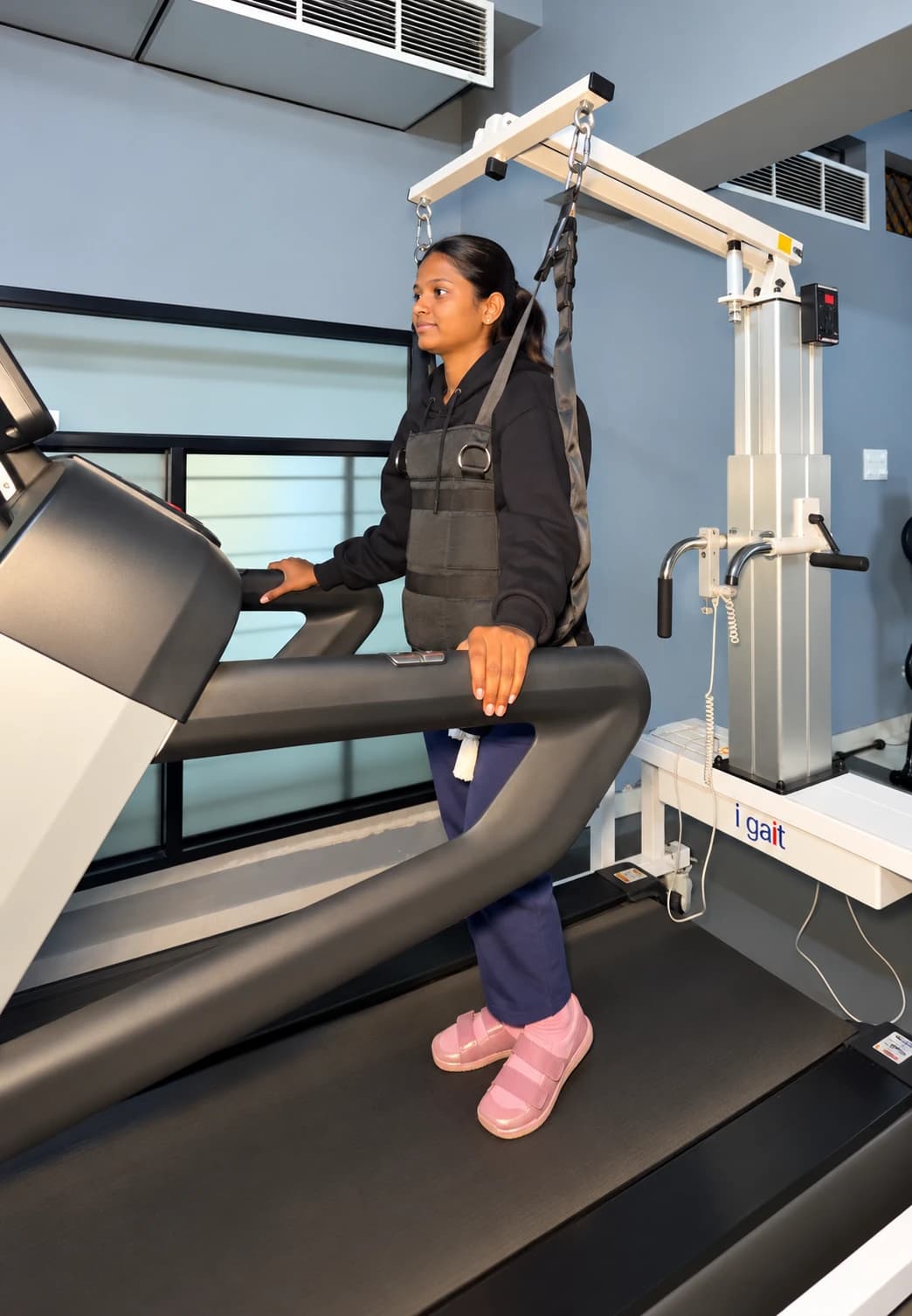
Neurological Rehabilitation
Neurological rehabilitation focuses on movement, strength, balance, coordination, mobility and functional independence. Depending on the condition, rehabilitation may include gait training, balance training, strengthening, functional training, electrical stimulation and task-specific rehabilitation.
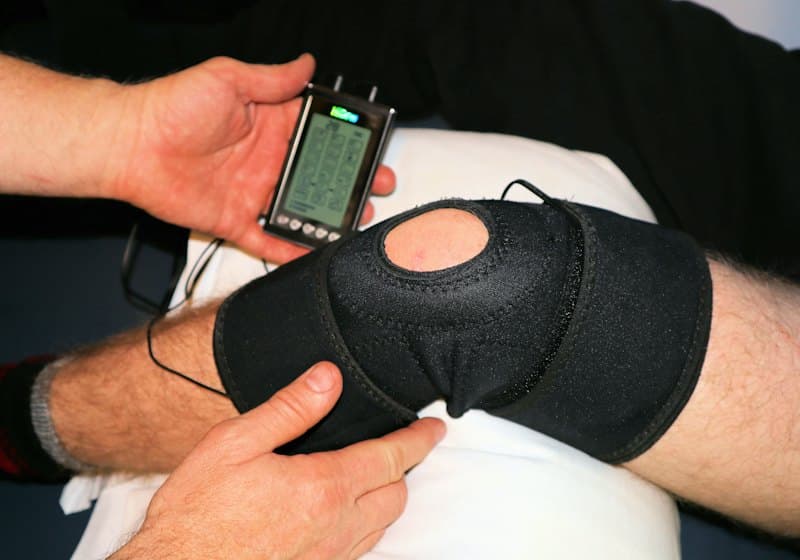
Post-Surgical Rehabilitation
Surgery may address a structural problem, but rehabilitation plays an important role in restoring movement, strength and function. We provide rehabilitation following appropriate orthopaedic and spine procedures, according to the stage of healing and recommendations of the treating medical team.
Not Sure What Is Causing Your Pain?
You don't need to know the diagnosis before you contact us. Start with a clinical assessment and we'll help identify the right pathway for you.